Sonoma is a charming city located in Sonoma County in the North Bay region of the San Francisco Bay Area. Known for its picturesque vineyards, historic landmarks, and welcoming small-town atmosphere, Sonoma offers residents a unique combination of natural beauty, agricultural heritage, and modern amenities. Situated in the heart of California’s renowned wine country, the city features a vibrant downtown plaza, scenic residential neighborhoods, locally owned businesses, and recreational opportunities. With its proximity to Napa, Santa Rosa, and San Francisco, Sonoma provides an appealing lifestyle for families, professionals, and visitors seeking a balance of peaceful living and convenient access to Northern California’s attractions.
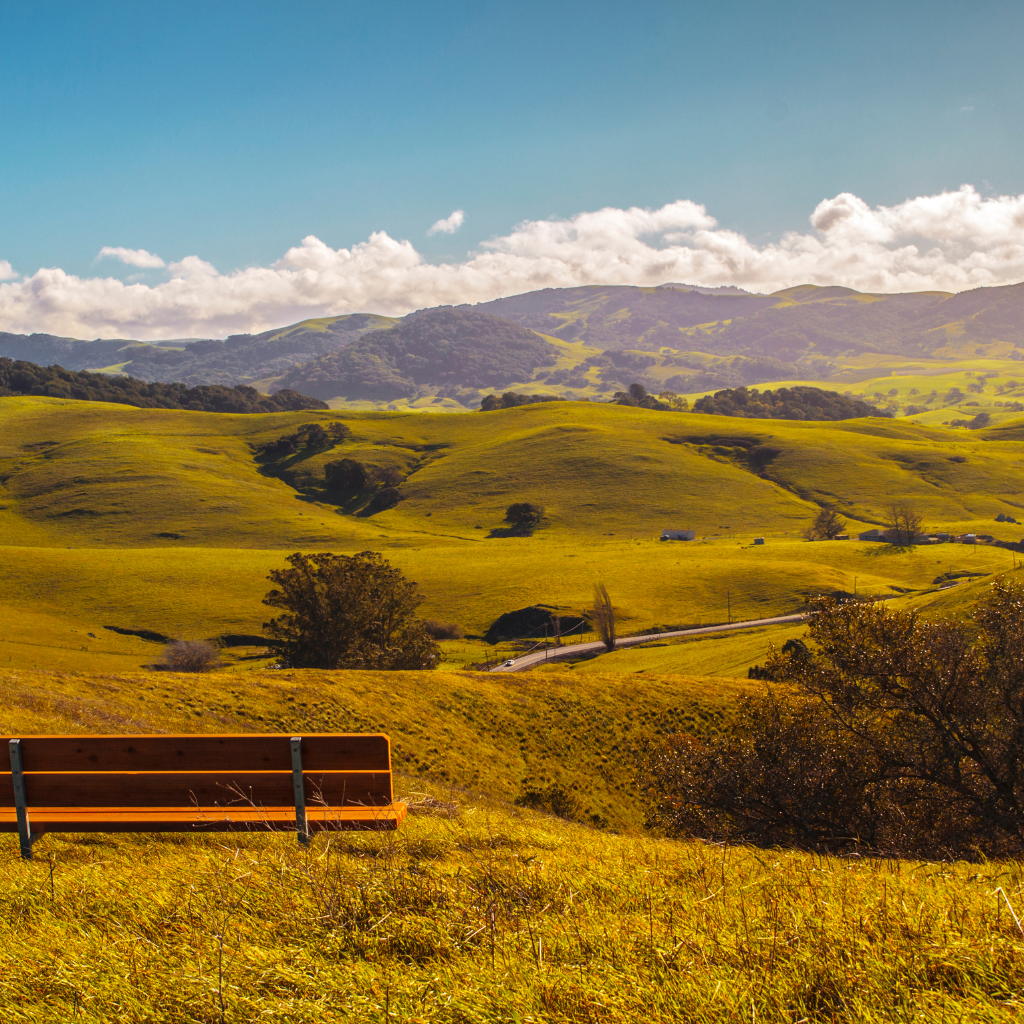

Sonoma’s history dates back thousands of years, when Indigenous communities, including the Coast Miwok and Southern Pomo, inhabited the surrounding region. In 1823, Mission San Francisco Solano was established, becoming the northernmost and final mission built in California. During the Mexican period, General Mariano Guadalupe Vallejo helped develop Sonoma into an important military and administrative center. In 1846, the city became the site of the Bear Flag Revolt, when American settlers briefly declared California an independent republic and raised the original California Bear Flag in Sonoma Plaza.
Sonoma was first incorporated in 1850 and later reincorporated in 1883. Throughout the late 1800s and early 1900s, agriculture and winemaking became important industries, with vineyards and farms shaping the region’s economy. Over time, Sonoma developed into a destination known for its wineries, historic architecture, and scenic landscapes. Today, the city preserves its rich history through landmarks such as Mission San Francisco Solano, Sonoma Barracks, and General Vallejo’s historic home while continuing to grow as a residential and tourism destination.
Sonoma is a residential community with a population of approximately 10,740 residents according to the 2020 U.S. Census. The city is home to residents from a variety of ethnic and cultural backgrounds, including White, Hispanic, Asian, African American, and multiracial communities. Its population includes families, working professionals, retirees, and longtime residents who contribute to the city’s welcoming small-town atmosphere.
According to the U.S. Census Bureau, Sonoma’s median household income was approximately $98,527 during the 2020–2024 reporting period, with about 65% of occupied housing units being owner-occupied. The city features a variety of housing options, including historic homes, established residential neighborhoods, modern developments, and properties surrounded by vineyards. Its scenic environment, local amenities, and proximity to Northern California’s employment centers contribute to its appeal among homeowners and residents seeking a relaxed lifestyle.
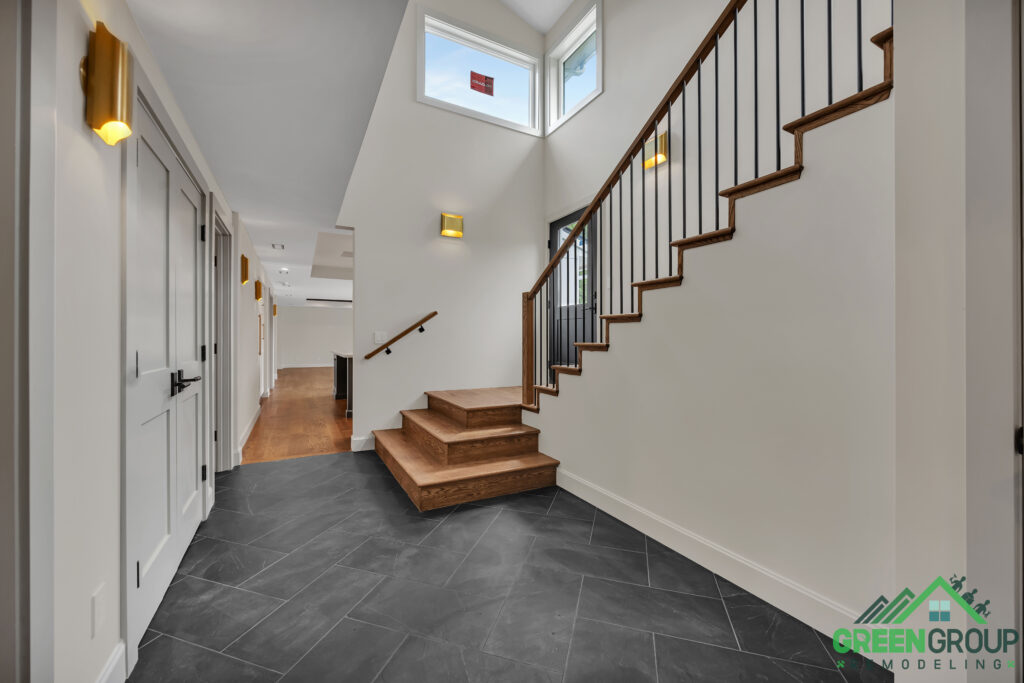

Sonoma experiences a Mediterranean climate characterized by warm, dry summers and cool, wetter winters. During the summer months, daytime temperatures generally range from the low 80s to low 90s Fahrenheit, although occasional heat waves can bring temperatures above 100 degrees. The city’s location within Sonoma Valley contributes to warm afternoons and cooler evenings, creating favorable conditions for grape growing and outdoor activities.
Winters are typically mild and cool, with temperatures commonly ranging from the upper 30s to upper 50s. Most rainfall occurs between November and March, while summers are generally sunny and dry. Sonoma’s seasonal climate supports the region’s vineyards, gardens, and agricultural landscape while providing opportunities for hiking, cycling, and outdoor recreation throughout much of the year.
Sonoma offers a variety of shopping, cultural, healthcare, and recreational amenities that contribute to its comfortable residential lifestyle. The historic Sonoma Plaza serves as the heart of downtown, featuring locally owned boutiques, specialty shops, restaurants, cafes, and wine-tasting rooms. The plaza is surrounded by historic buildings, landscaped open spaces, and community gathering areas, making it a popular destination for both residents and visitors.
One of Sonoma’s most recognizable attractions is Sonoma State Historic Park, which includes Mission San Francisco Solano, Sonoma Barracks, and other landmarks connected to California’s early history. The Sonoma Valley Museum of Art provides opportunities to explore contemporary exhibitions, educational programs, and cultural events. Residents also have access to the Sonoma Valley Regional Library, healthcare facilities, neighborhood parks, and community centers. Nearby wineries and scenic countryside destinations provide additional opportunities for shopping, entertainment, and relaxation.
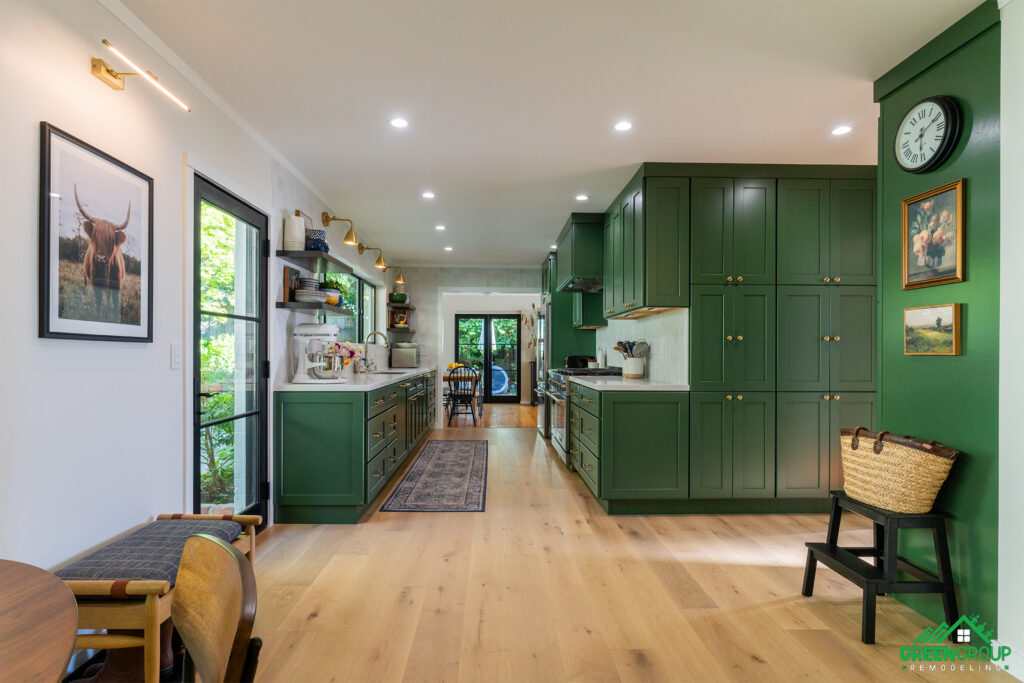

Sonoma has a vibrant dining scene featuring a variety of locally owned restaurants, cafes, bakeries, and farm-to-table dining experiences. The city’s location in California wine country contributes to its emphasis on fresh, locally sourced ingredients and regional culinary traditions. Downtown Sonoma, particularly around Sonoma Plaza and Broadway, offers a selection of Italian, Mexican, Mediterranean, French, and traditional American cuisine. Residents and visitors can enjoy everything from casual lunches and outdoor patio dining to upscale restaurants and special occasions.
Sonoma also offers an inviting nightlife atmosphere centered around its wineries, tasting rooms, wine bars, and restaurants. Local establishments provide opportunities to sample regional wines, enjoy live music, and gather with friends. The historic Sebastiani Theatre offers films, concerts, and live performances, adding to the city’s cultural entertainment scene. Nearby Napa, Petaluma, and Santa Rosa provide additional nightlife destinations, including breweries, cocktail lounges, theaters, and entertainment venues.
Sonoma hosts a variety of community events throughout the year that celebrate its agricultural heritage, local traditions, and strong sense of community. One of the city’s most recognized annual celebrations is the Sonoma Valley Harvest Wine Auction and related harvest festivities, which highlight the region’s winemaking traditions and support local charitable organizations. Sonoma’s Fourth of July Parade and Celebration is another popular tradition, bringing residents together for a parade, entertainment, food vendors, and family-friendly activities around the historic Sonoma Plaza.
The Sonoma Tuesday Night Market is a beloved seasonal community gathering that features fresh produce, local artisans, prepared foods, and live music in the downtown plaza. Other popular events include the Sonoma International Film Festival, the Sonoma Valley Vintage Festival, and seasonal holiday celebrations. Throughout the year, the city hosts cultural performances, farmers markets, art exhibitions, and community gatherings that encourage residents to connect and support local businesses.

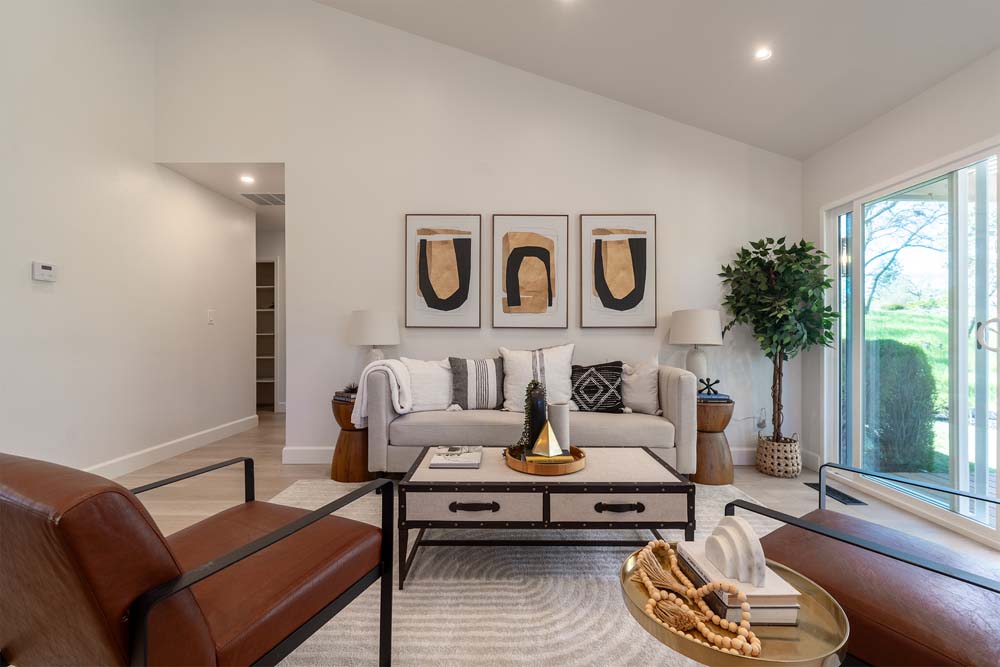
Sonoma is primarily served by the Sonoma Valley Unified School District, which provides public education for students from elementary through high school. The district includes schools such as Sassarini Elementary School, El Verano Elementary School, and Flowery Elementary School, along with Sonoma Valley Middle School. Sonoma Valley High School provides secondary education opportunities, including academic programs, extracurricular activities, athletics, and college and career preparation. The community also offers private schools, preschool programs, and alternative educational opportunities.
For higher education, residents have access to Santa Rosa Junior College, which offers associate degrees, career training, and university transfer programs. Sonoma State University, located in nearby Rohnert Park, provides undergraduate and graduate degree programs. Napa Valley College also offers additional educational opportunities. The region’s agricultural and hospitality industries contribute to specialized education and professional development opportunities in winemaking, culinary arts, business, and related fields.
Sonoma is connected to the greater San Francisco Bay Area through several major highways and regional transportation routes. State Route 12 runs through Sonoma Valley, providing access to Santa Rosa, Napa, and surrounding North Bay communities. State Route 121 connects the area to nearby highways, while State Route 37 provides connections toward Marin County, Vallejo, and Interstate 80. These routes allow residents to travel throughout Northern California for work, shopping, and recreational activities.
Public transportation options include Sonoma County Transit, which operates local and regional bus services connecting Sonoma with surrounding communities. Route 32 provides local service throughout Sonoma Valley, while Route 30 connects the area to Santa Rosa. Additional regional bus connections provide access to Petaluma and the Sonoma-Marin Area Rail Transit (SMART) system. Although Sonoma does not have its own passenger rail station, residents can connect to SMART trains through nearby Petaluma. Charles M. Schulz–Sonoma County Airport and San Francisco International Airport provide additional domestic and international travel options.

Sonoma offers a wide range of sports and recreational opportunities for residents and visitors who enjoy an active outdoor lifestyle. Sonoma Plaza is one of the city’s most popular gathering destinations, featuring landscaped open spaces, walking paths, picnic areas, and opportunities for family recreation. Depot Park provides additional recreational spaces, picnic facilities, and areas for outdoor activities. Maxwell Farms Regional Park, located just outside the city limits, offers athletic fields, tennis courts, playgrounds, and nature trails along Sonoma Creek.
Outdoor enthusiasts can explore Sonoma Overlook Trail, which provides scenic hiking routes and panoramic views of Sonoma Valley. The nearby Montini Open Space Preserve offers additional walking and hiking opportunities through oak woodlands and rolling hills. The surrounding region also features numerous cycling routes, golf courses, and outdoor destinations, including Sonoma Valley Regional Park and Jack London State Historic Park. Local recreational organizations provide youth sports leagues, fitness activities, and community programs, encouraging residents of all ages to maintain an active lifestyle.
With its historic landmarks, scenic vineyards, welcoming neighborhoods, and vibrant downtown, Sonoma offers a distinctive combination of small-town charm, cultural attractions, and outdoor recreation. Whether exploring local wineries, attending community festivals, enjoying downtown restaurants, or visiting nearby parks and trails, residents and visitors can experience Sonoma’s unique character and relaxed Northern California lifestyle.


 Verified
 Verified

 Trustindex verifies that the original source of the review is Google.
 Verified
 Trustindex verifies that the original source of the review is Google.
 Trustindex verifies that the original source of the review is Google.
 Trustindex verifies that the original source of the review is Google.
 Trustindex verifies that the original source of the review is Google.
 Trustindex verifies that the original source of the review is Google.
 Trustindex verifies that the original source of the review is Google.
 Trustindex verifies that the original source of the review is Google.
 Trustindex verifies that the original source of the review is Google.
 Verified
 Verified

 Trustindex verifies that the original source of the review is Google.
 Verified Verified
 Verified
 Verified

 Verified